
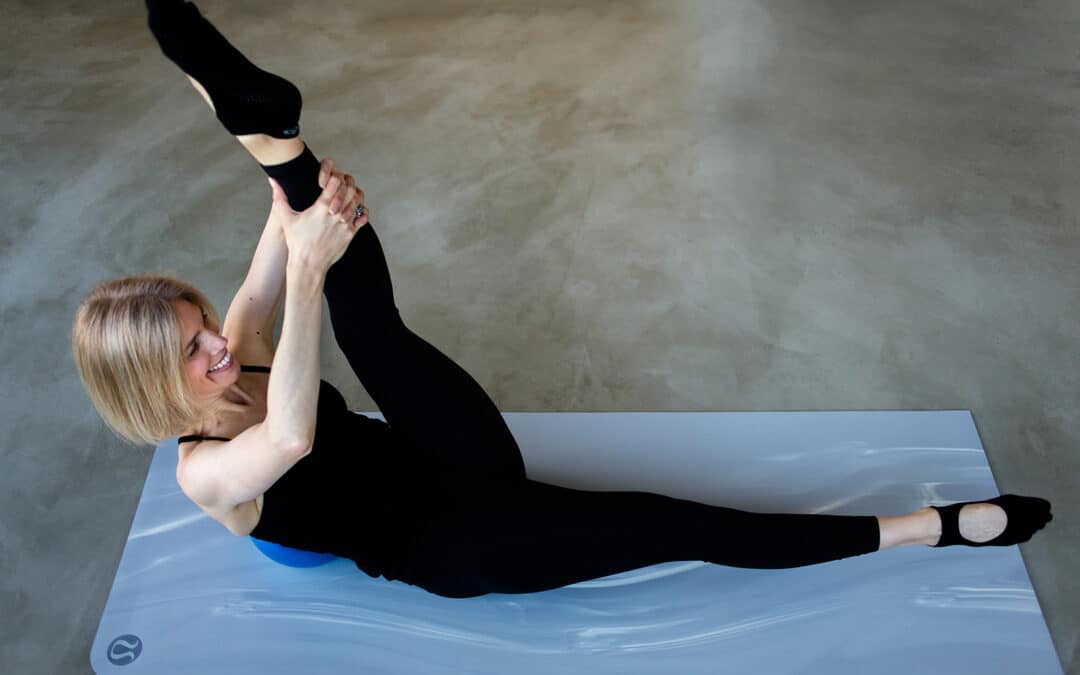
Your Pilates Body After 50: Maintaining Muscle, Definition and Confidence
As your body changes, your practice can change with it.
By Shannon Smith, Pilates &
You can be consistent with movement and still notice that your body looks or responds differently than it once did.
That can be frustrating, particularly if you are trying to preserve a familiar shape. It is also a reason to review your plan rather than assume that more exercise or less food is always the answer.
My earlier article, How to Maintain Your Pilates Body as You Age, covers daily habits such as sleep, nutrition, activity and adapting your practice. Here, the focus is the training itself.
Protect the muscle you want to keep
If maintaining definition is your goal, preserving muscle matters.
Resistance training remains valuable after menopause. In a year-long study, postmenopausal women participating in resistance and weight-bearing exercise increased lean soft tissue. Results for fat tissue differed according to hormone-therapy status. [1]
This is evidence that bodies can respond to training after menopause. It is not a guarantee of a specific aesthetic result or a recommendation to use hormone therapy for that purpose.
Reassess familiar exercises
Your routine may need to change because your capacity has improved, your recovery needs have changed or a health condition affects what is appropriate.
Ask whether the intended muscles still face a meaningful challenge. Progression might involve a more demanding band, a different leverage or additional loading. It might also mean returning temporarily to a more supported version while rebuilding capacity.
The aim is a practice you can sustain and develop.
Give power and balance a place
Controlled movement is useful. Daily life also asks you to produce force promptly and manage changes in position.
Strength, balance and power deserve deliberate consideration. A slow Pilates practice may need complementary work to address all three.
Power work should be introduced through suitable exercises and coaching, rather than by rushing movements that depend on precise control.
Consider bone health separately
Muscle definition does not tell you your bone density.
Osteoporosis Canada recommends combining muscle strengthening with balance training. If you have osteoporosis or a previous fracture, exercise selection should reflect your individual needs and clinical guidance. [2]
Spinal loading, bending, twisting and impact require particular consideration in that context. Removing a few exercises from a general class does not make it appropriate for every spinal condition.
Nourish the body you are asking to work
Protein-containing meals and enough total food help support training. Severe restriction can work against a goal of retaining muscle.
If your appetite, weight or body composition is changing unexpectedly, discuss it with an appropriate healthcare professional. A registered dietitian can help you align food intake with your goals without relying on a generic high-protein target.
Let progress include capability
You can care about appearance and still broaden the measures of success.
Notice whether you carry more comfortably, move more confidently, recover well and maintain activities you enjoy. Those changes deserve attention even when your shape evolves.
A Pilates body after 50 can be strong, capable and expressive in many forms. The practice should support the life you want to lead now.
Explore Pilates & classes and private sessions to review your next step.
Strong body. Calm mind. Balanced life.
Research & Further Reading
Contact Us
Create a Free Account
Receive weekly emails with workouts, tips & offers to help you live more vibrantly.